
Where we come from, where we belong
This summer, I found myself thinking a lot about what it means to be entrusted with something.
In June, I was elected to serve on the Glendale Community College Board of Trustees, representing Area 2. I received 7,156 votes.
I somehow raised more than $50,000 to run this campaign. Mind blown. When I left teaching, that was about what I made in an entire year.
People gave their time, money, advice, and ultimately their vote. They trusted me.
At the same time, life was happening.
This was Nairi's last summer before real school. Kindergarten. One teacher and 20-something little humans, including mine.
And Joseph is fully into the terrible twos. Talking, climbing, demanding, and getting into absolutely everything. Somehow, we're having full conversations with him now.
I need them both to stop growing so fast.
They have refused.

So I tried to slow myself down instead.
Before the election results were even certified, we left for Armenia for a wedding. It was Josh's and the kids' first time there. There was something surreal about returning to the place where I was born, with my own children, just days after being elected in the community that became my home.
In Armenia, I thought a lot about where we come from, where we belong, and what institutions do to reinforce—or disrupt—our sense of belonging.
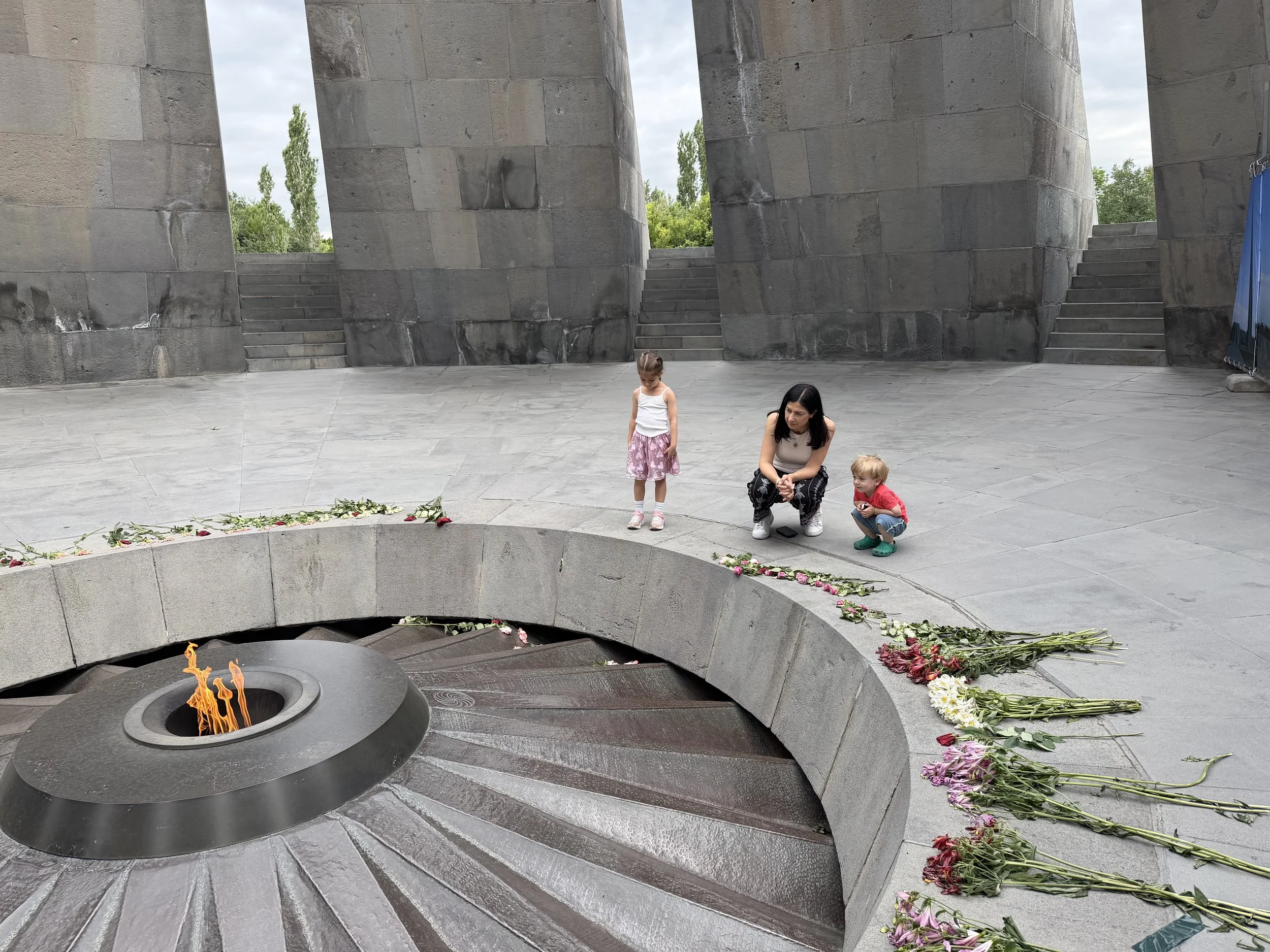
I had done a lot of listening during the campaign: to students, educators, families, and people who have spent years trying to make our institutions better. I needed some time to sit with what I had heard and what I was beginning to learn.
Some of what people shared with me was deeply personal and isn't mine to share publicly. But it has changed how I think about leadership, trust, and the responsibility that comes with having a seat at the table.
When I first moved from Armenia to Glendale, I was an English learner, and for a time I had to leave my classroom at Columbus Elementary for English language instruction.
I hated it.
In sixth grade at Columbus, I remember badgering the person responsible for English learner assessments to test me again. And again. I wanted to be reclassified. I wanted to stay in my classroom.
I didn't have the language for it then. I just knew how it felt to be a kid who desperately wanted to prove that she belonged in the room.
Thirty years later, I think about that little girl a lot.
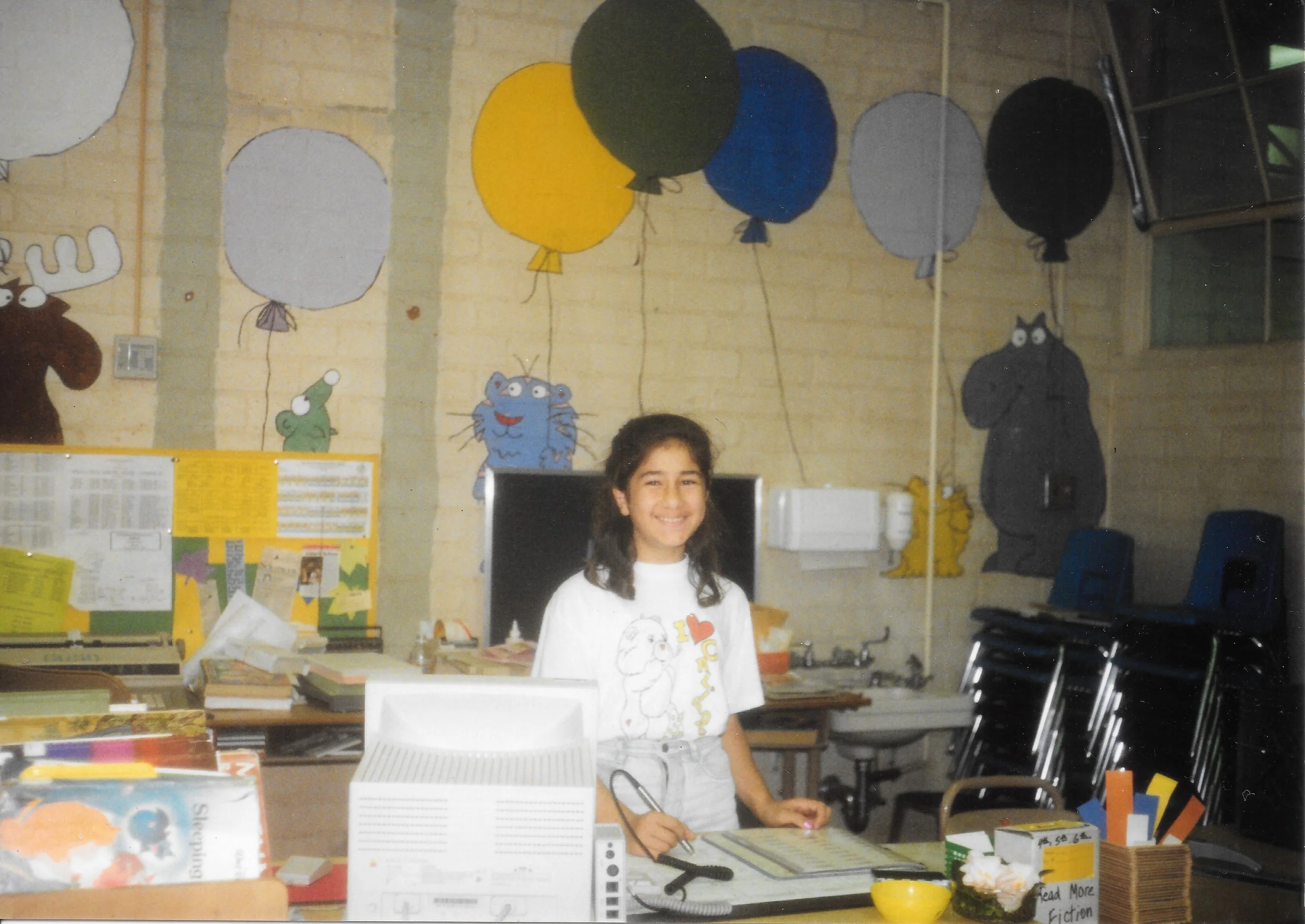
And I think about how our institutions can still leave students and employees feeling like they have something to prove before they fully belong.
That is hard for me to accept.
Because inequity isn't sustained only by people with bad intentions.
It can also live in the ordinary ways institutions operate: assumptions we don't question, practices we've inherited, and decisions that seem objective.
That's one of the reasons I ran for the Board of Trustees.
Those of us entrusted with leadership have a particular responsibility to examine the systems we're part of and our own role within them. That includes me. Holding office doesn't make me immune from the biases and blind spots I'm asking others to examine. It gives me a greater responsibility to ask what I may not be seeing, to listen when my assumptions are challenged, and to be willing to change my mind.
So that's where I've been these past few months.
Being a mom. Listening. Learning. Taking in what this new responsibility means.
And now I want to do a better job of sharing that journey.
The election is over, but I don't want the conversations that began during the campaign to end there. And I hope to make room for new voices and perspectives along the way.
I'll be sharing occasional reflections on what I'm seeing, learning, and working on, what I'm wrestling with, and questions I don't have answers to yet.
It's a perspective from one seat at the table, not the whole picture. That's why I want this to be more than a one-way update. I hope you'll share what I'm not seeing, ask questions, push back, and help me understand our community from perspectives beyond my own.
Thirty years ago, I was a little girl trying to prove I belonged in the room. Today, I look around the rooms where decisions are made and see people and stories that would have been hard for that little girl to imagine.
Not because representation alone changes institutions. But because conversations can change when someone who has lived the experience being discussed is sitting at the table. We may notice different things, ask different questions, and understand things we might otherwise miss.
I'm excited about what we can learn, question, and build together.
I hope you'll stay in the conversation.
